DTF Printing vs Screen Printing vs Embroidery: Which Is Best?
DTF printing, screen printing and embroidery can all produce professional branded apparel, but they suit different jobs. DTF is often useful for detailed, full-colour designs and smaller or mixed runs. Screen printing is well suited to larger quantities and simpler colour artwork. Embroidery gives polos, caps, jackets and workwear a textured, premium finish. Design Source Supply, known as DSS, helps Australian customers compare the options online and ships finished orders Australia-wide.

What is the quick difference between DTF, screen printing and embroidery?
Choose DTF when the artwork has fine detail, gradients or many colours, especially for a small to medium apparel order.
Choose screen printing when the design uses a limited number of colours and the quantity makes the setup worthwhile.
Choose embroidery when a stitched, durable and premium appearance suits the garment or headwear.
Those are useful starting points, not fixed rules. Fabric, garment construction, artwork size, colour, intended use and budget still need to be checked before production.
What is DTF printing?
DTF stands for direct to film. The design is printed onto a transfer film, adhesive is applied, and the transfer is heat pressed onto a compatible garment. It can reproduce detailed artwork and a broad range of colours without creating a separate screen for every colour.
When is DTF a good choice?
Full-colour logos, gradients, illustrations and detailed artwork.
Small to medium apparel runs where screen setup may not be practical.
Orders with several garment sizes or colours, subject to compatibility.
Front, back, sleeve and other placements that suit heat application.
Brands that need a consistent printed design across suitable apparel.
The finished transfer sits on the surface of the garment, so the size and coverage of the artwork affect how the print feels. Large solid areas may feel heavier than a smaller or more open design. Correct pressing, compatible garments and care instructions all matter.
What is screen printing?
Screen printing pushes ink through a prepared mesh screen onto the garment. Each print colour generally requires its own screen and setup. Once the setup is complete, the process can be efficient and consistent across a larger run.
When is screen printing a good choice?
Larger quantities of the same or closely related design.
Bold artwork with a limited number of solid colours.
Jobs where a classic printed finish suits the garment.
Campaign, event, workwear or retail runs with repeatable specifications.
Orders where the setup cost can be spread across more units.
Screen printing is not automatically the cheapest option. The number of colours, print positions, garment colour, ink requirements and quantity all affect the quote. Detailed photographic artwork may also need colour separation or a different production approach.
What is embroidery?
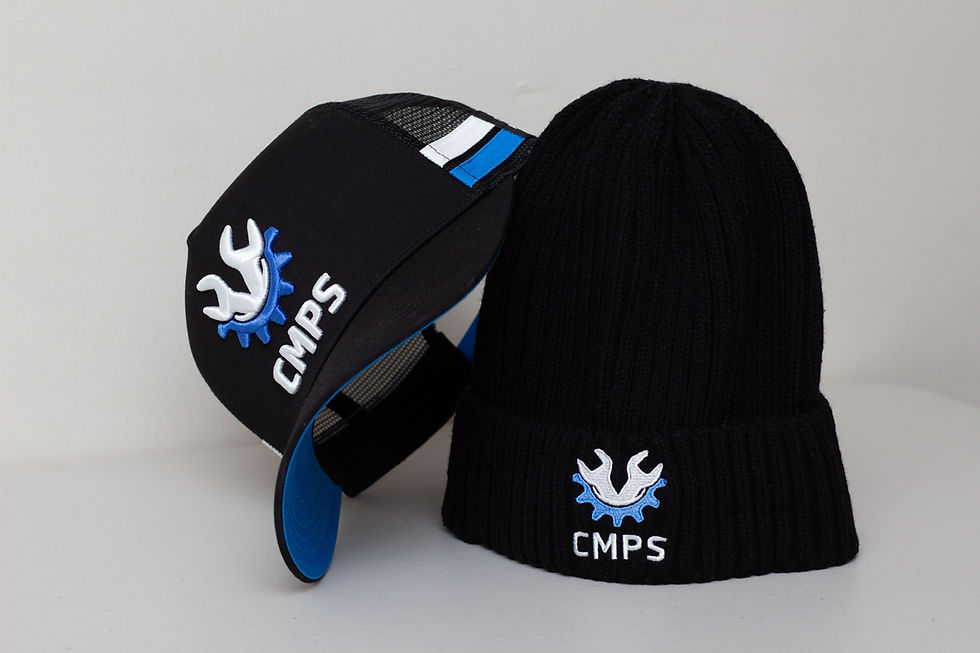
Embroidery uses thread to stitch the design into the product. The artwork is first digitised into instructions that control stitch type, direction and density. The finished result has texture and dimension rather than a printed surface.
When is embroidery a good choice?
Polos, caps, jackets, work shirts, aprons, bags and selected uniforms.
Logos that benefit from a professional, premium appearance.
Garments that will be worn regularly and need a durable decoration.
Chest logos, cap fronts and other placements suited to stitching.
Simple, bold artwork that remains clear when converted to thread.
Tiny text, very fine lines, gradients and complex photographic detail may need to be simplified for embroidery. Stitch count, finished size, fabric weight and backing can affect both the result and price.
Which method is best for detailed or full-colour artwork?
DTF is often the most straightforward of these three methods for detailed, full-colour artwork because it can reproduce gradients and many colours without separate screens. The artwork still needs enough resolution and clean edges at the final print size.
Which method is best for large quantities?
Screen printing often becomes competitive for larger runs, particularly when the design uses only a few colours. However, the break-even point changes with the garment, print size, number of positions and setup. A supplier should compare the complete job rather than recommend a method from quantity alone.
Which method is best for workwear, polos and caps?
Embroidery is a common choice for polos, caps, jackets and workwear because the stitched finish looks established and handles regular use well. DTF or screen printing may be more suitable for large back prints, high-detail graphics or lightweight garments. Some uniforms use more than one method, such as an embroidered chest logo with a printed back.
How do the three methods compare?
Artwork and colour
DTF handles complex colour and fine detail well. Screen printing is efficient for bold, repeatable designs and can also produce more complex work with additional preparation. Embroidery translates artwork into thread, so detail and colour blending are more limited.
Quantity and setup
DTF can be practical for smaller runs because it does not need a screen for each colour. Screen printing has more setup but can become efficient as quantity rises. Embroidery requires digitising and its production time is strongly influenced by stitch count.
Print feel and appearance
DTF and screen printing sit on or bond with the garment surface in different ways. Embroidery is raised and textured. The best appearance depends on the artwork, garment and how the item will be used.
Durability and care
All three methods can perform well when the garment, production settings and care instructions are suitable. Washing temperature, drying method, ironing and exposure to harsh conditions can affect decorated apparel. Always follow the care advice supplied with the order.
Can DTF, screen printing and embroidery be combined?
Yes. A merchandise range does not have to use one decoration method everywhere. For example, a uniform program might use embroidery on polos and caps, DTF on a detailed hoodie graphic and screen printing on a larger event T-shirt run. The important part is keeping the artwork, colours and placement consistent across the range.
What should you send a supplier for an accurate recommendation?
The artwork file and required finished size.
The garment type, colour and intended use.
The quantity and size breakdown.
Every decoration position, such as left chest, back or sleeve.
The target budget, delivery postcode and required date.
Any preference for print feel, texture or premium finish.
With that information, DSS can assess the practical options rather than forcing the job into a method that does not suit it.
Frequently asked questions
Is DTF better than screen printing?
Neither is always better. DTF often suits detailed full-colour artwork and smaller runs, while screen printing can suit larger runs and simpler colour designs. The complete specification decides the better option.
Is embroidery suitable for every logo?
No. Most logos can be adapted, but tiny text, fine lines and gradients may need simplification. The product and embroidery size also need to support the stitch detail.
Which option is cheapest?
Cost depends on quantity, artwork, garment, print size, positions, colours and setup. Compare a like-for-like quote rather than assuming one method is always cheaper.
Can I use different methods across one merchandise range?
Yes. Using the most suitable method for each product can produce a better overall result while keeping the brand consistent.
Can DSS manage the process online?
Yes. DSS handles the brief, product selection, quote, artwork review and proof approval online, then ships completed apparel and merchandise Australia-wide.
Need help choosing the right decoration method?
Send Design Source Supply your artwork, garment idea, quantity, deadline and delivery postcode. DSS can compare DTF printing, screen printing and embroidery for the actual job and recommend an option before production begins.


Comments